




Quick Overview
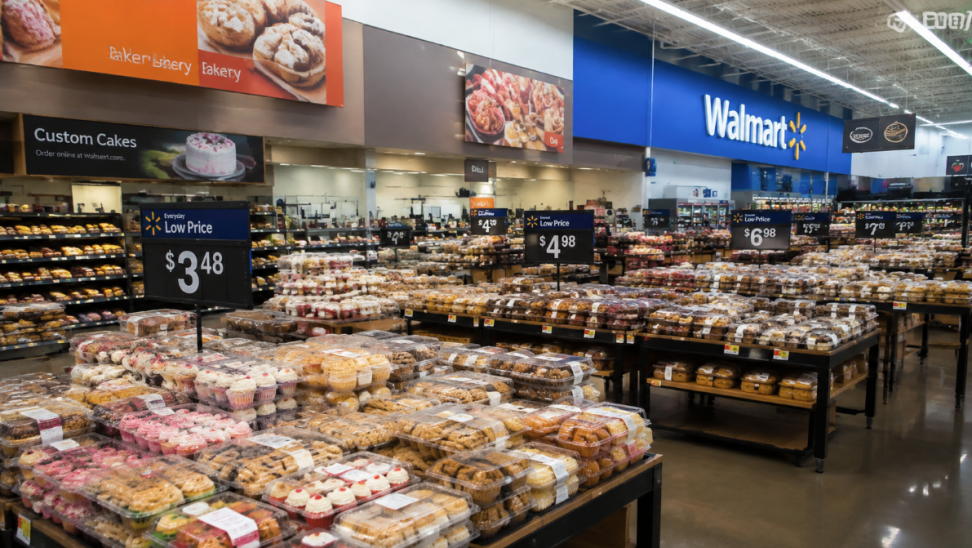
In 2025–2026, Walmart has begun applying item-level RFID technology to fresh categories including meat, bakery and deli. RFID-enabled labels give individual items a digital identity, allowing store associates to identify inventory more efficiently and access digital use-by-date information. That visibility can support stock rotation, timely markdowns and fewer unsold products.
Why Is Walmart Using RFID for Fresh Food?
On October 22, 2025, Walmart announced the expansion of item-level RFID into fresh food categories including meat, bakery and deli. By early 2026, the program had moved from a joint pilot to an initial rollout in a growing number of U.S. stores.
Unlike apparel or other durable goods, these perishable fresh products have a limited shelf life, making inventory visibility highly time-sensitive. Knowing what is in stock is only part of the challenge; store teams also need to know which items should be rotated, replenished or marked down first.
RFID in fresh food is not entirely new. Marks & Spencer (M&S), for example, began introducing RFID into its food distribution system in 2002. By 2005, millions of RFID-tagged reusable trays were moving through six major distribution centers, with more than 100 suppliers participating.
The RFID tracking technology helped improve visibility across the fresh food supply chain, but the tags were primarily attached to reusable trays and cases rather than individual food items.
Walmart’s 2025 initiative moves the technology closer to the product itself.
Through item-level RFID tracking, individual fresh products can be assigned a digital identity and associated with information such as a digital use-by date. For store associates, that means faster fresh food inventory checks and better information for product rotation and markdown decisions.
How Does Walmart Use RFID to Track Fresh Food?
At a high level, Walmart RFID fresh food tracking works by giving individual products an RFID-enabled identity that can be captured electronically and associated with inventory data.
A typical item-level RFID workflow includes:
- ● Create an item-level digital identity. Each fresh food item receives a unique ID.
- ● Print and encode the RFID label. An RFID printer/encoder writes the ID to the tag and prints barcode or human-readable information. The label is then applied to the product packaging.
- ● Capture tagged inventory. RFID readers capture item data using radio frequency signals without line-of-sight scanning.
- ● Link inventory and shelf-life data. The captured ID connects the product with inventory status and digital use-by dates.
- ● Enable store actions. Store teams use this visibility for inventory checks, rotation, replenishment and markdowns.
The value of the system therefore goes beyond faster counting. By connecting item-level identification, physical inventory and shelf-life data, RFID gives store teams information they can act on while fresh products are still within their selling window.
How Does RFID Help Walmart Manage Fresh Food Inventory and Expiration Dates?
Fresh food inventory management depends on more than knowing how much stock is available. With a limited shelf life, retailers also need to know which products require action first.
By combining item-level inventory visibility with digital use-by dates, Walmart can better manage both stock availability and remaining selling time, reducing the risk of fresh products becoming unsellable before action is taken.
This also aligns with Walmart’s broader goal to reduce global operational food loss and waste intensity by 50% by 2030, compared with a 2016 baseline. Better visibility into short-dated inventory gives stores more opportunity to act before products reach the end of their shelf life.
From RFID Strategy to Implementation
Walmart’s fresh food initiative reflects a broader shift in retail RFID—from basic stock counting toward item-level visibility that supports faster, more informed inventory decisions.
For businesses building an RFID workflow, reliable printing and encoding are essential parts of the infrastructure. RFID labels often need to combine encoded electronic identification with barcodes, text and other human-readable information, while working reliably with readers and inventory management systems.
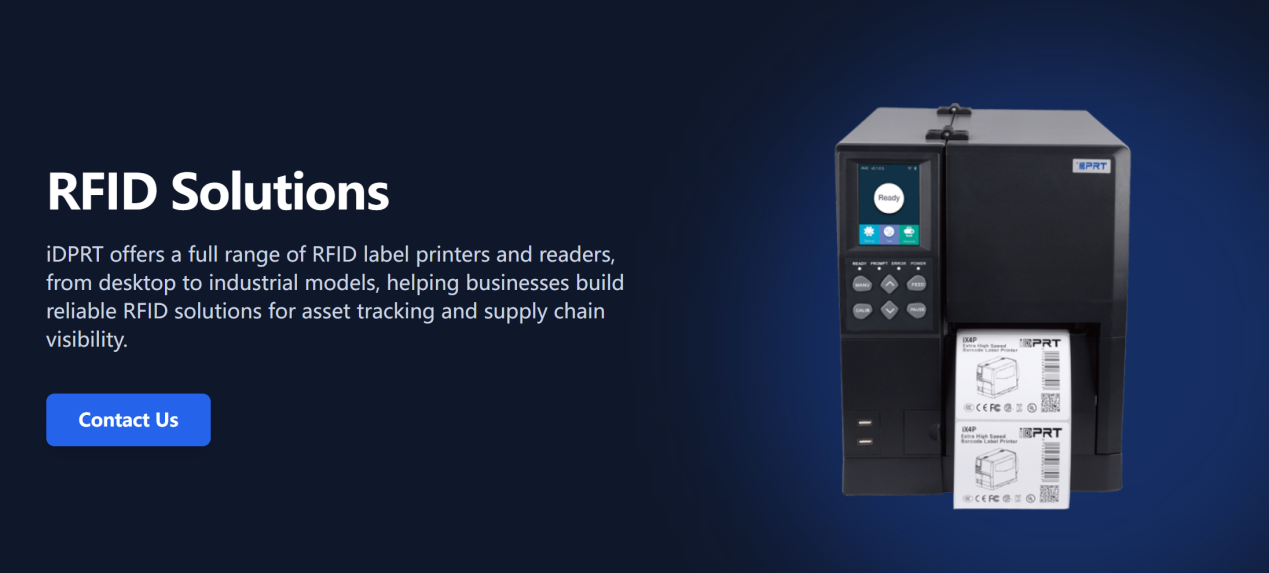
As an established global provider of barcode and RFID hardware solutions, iDPRT offers UHF RFID label printers and readers for businesses implementing or expanding RFID identification workflows. Our RFID solutions support applications across retail, apparel and footwear, jewelry, healthcare, warehousing and logistics.
When evaluating an RFID solution, consider the RFID standard, label dimensions, encoding requirements, printing volume, connectivity and software integration—not simply the printer or reader in isolation.
If you are planning an RFID project and need help selecting suitable printing, encoding or reading hardware, contact iDPRT to discuss your application requirements and find an RFID solution that fits your workflow.